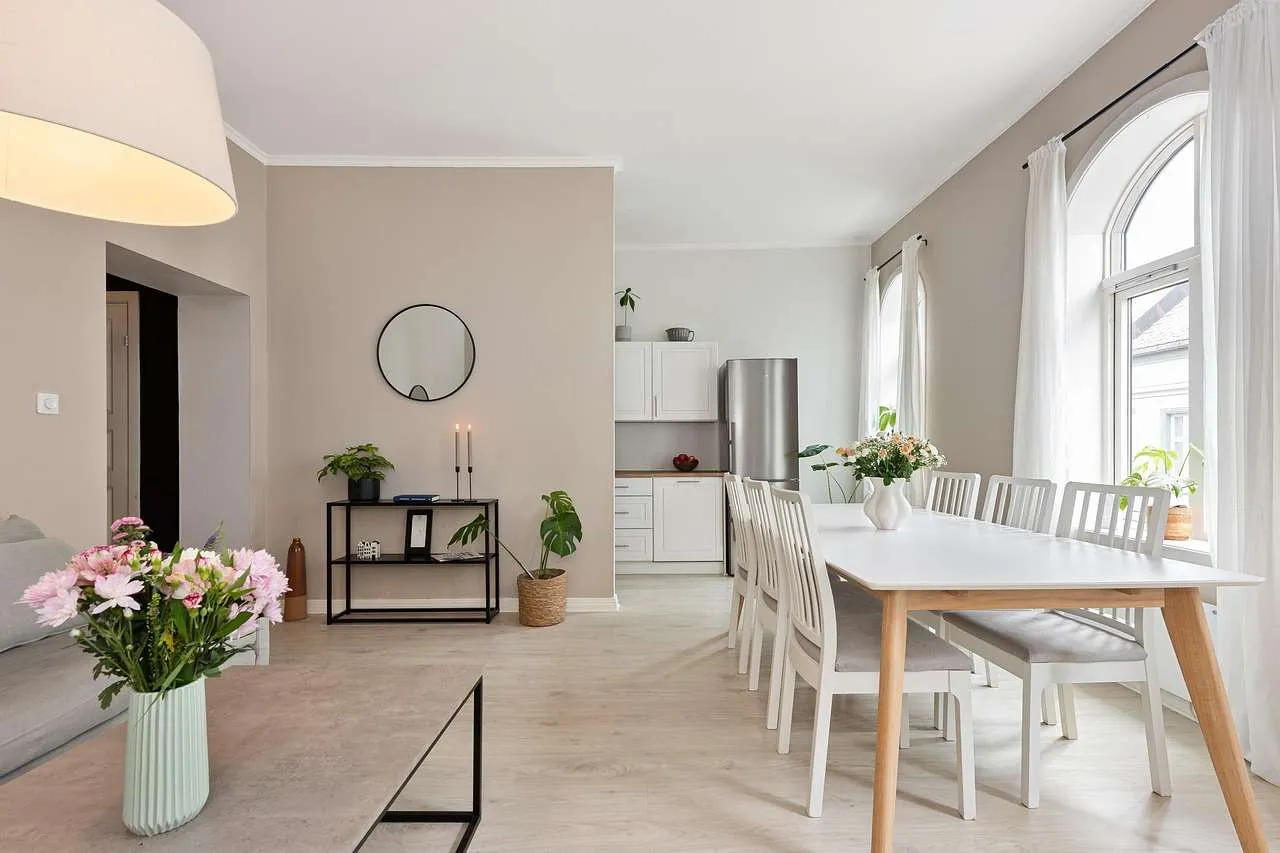
Home window tinting is the application of a thin film to residential glass to reduce heat, glare, and UV exposure while improving privacy and comfort. Unlike decorative films or car tints, residential films are designed to preserve natural light while delivering measurable energy and safety benefits. With the right approach, home window tinting can lower cooling costs, protect furnishings, and create a more comfortable living space without sacrificing exterior visibility.
Benefits of Home Window Tinting
Energy efficiency and heat reduction
Tint films reduce solar heat gain by filtering infrared radiation and, in many cases, reflecting a portion of the sun's energy. This helps keep living spaces cooler in hot seasons and reduces the workload on air conditioning systems. In moderate climates, the right tint can also help retain warmth during cooler periods, supporting overall energy efficiency.
UV protection and furnishings
Most quality window films block a large percentage of ultraviolet light, which helps prevent fading of furniture, carpets, and artwork. UV protection is a key reason many homeowners choose tinting, especially in rooms with direct sun exposure or large glass surfaces that face east or west.
Privacy and comfort
Tinted windows limit visibility from the outside during the day and, depending on the film, reduce glare. This combination improves comfort, enhances privacy, and can reduce the need for window coverings in bright rooms, while still maintaining exterior views during daylight hours.
Safety and aesthetics
Some films add a layer of safety by holding shattered glass intact after impacts, which can reduce injury during storms or accidents. In addition, modern tints come in a range of shades and finishes that complement architectural styles, providing a long lasting aesthetic upgrade without changing window shapes.
Common Tint Types for Homes
Understanding the main tint options helps you balance heat reduction, light transmission, and cost. The table below summarizes typical performance and tradeoffs.
| Tint Type | How it Works | Benefits | Drawbacks | Ideal Use |
|---|---|---|---|---|
| Dyed Film | Colored layers absorb heat and light | Cost-effective, good glare reduction | Can fade over time, less heat rejection than advanced films | Budget projects, light tint looks |
| Metalized Film | Metal particles reflect heat and light | Excellent heat rejection, good glare control | Potential signal interference for electronics; may look mirrored | High heat rejection, modern appearance |
| Ceramic Film | Non-metallic ceramic particles block heat | Strong UV protection, high clarity, no signal interference | Higher cost | Best overall performance and longevity |
| Carbon Film | Carbon nanoparticles absorb heat | Subtle tint, good glare control, no metal | Moderate cost, select variants vary in performance | Balanced performance and aesthetics |
| Hybrid Film | Combination of dyed and metalized layers | Moderate heat rejection and glare control, improved durability | Not as high in performance as ceramic | Versatile option for mixed priorities |
Installation options and costs
Professional installation delivers consistent results, durable adhesion, and a warranty. Trained installers measure accurately, prepare the glass surface, and ensure edge sealing and curvature are properly addressed. For DIY projects, homeowners can save on labor but may face challenges with curved or large panes, air bubbles, and ensuring an even finish. Typical cost ranges vary by film type and project scope, but you should expect to pay for both materials and labor. Plan for a professional estimate to understand exact pricing for your home, climate, and window configuration.
Legal considerations and window standards
Local regulations and homeowner associations may set limits on visible light transmission (VLT) and reflective coatings. Some jurisdictions require a minimum VLT for front-facing windows, while others restrict certain reflecting films on specific windows. Always verify local building codes and HOA rules before purchasing or applying tint, and request documentation from your installer that confirms the film's reflectivity, UV rating, warranty, and any applicable certifications.
Choosing the right tint for your home
Begin with a climate assessment: hotter climates benefit from higher heat rejection while cooler regions may prioritize light transmission to maximize passive solar gains. Consider window type and orientation—south- or west-facing windows receive more sun. Camera-ready or large glass areas should favor high clarity films (especially ceramic or carbon) to preserve natural light. Ask for samples and check daylight transmission in real rooms, not just on a card, to ensure you like the visible tint and color under actual lighting conditions.
Maintenance and longevity
Keep filming clean with non-abrasive glass cleaners and soft cloths. Avoid ammonia-based cleaners that can degrade some films over time. Regular inspection for edge lifting or bubbling is essential, especially after installation or in areas with extreme temperature changes. A well-installed film can last 10 to 20 years or more, depending on the film type and maintenance routine.
Comparison and guidance
Choosing the right home window tinting solution requires weighing heat rejection, glare control, light transmission, and budget. Ceramic and carbon films tend to offer the best overall performance without glare or signal interference, while dyed and metalized options can be attractive for budget projects or very specific aesthetics. Always opt for a qualified installer who provides a warranty and aftercare instructions. A cautious, well-informed approach aligns with EEAT principles—leveraging documented performance, professional expertise, and trustworthy service to deliver durable results.
Conclusion, home window tinting combines energy savings, UV protection, privacy, and improved comfort. By understanding tint types, aligning with local regulations, and engaging a licensed professional, you can achieve meaningful long-term value for your home while preserving daylight and views.